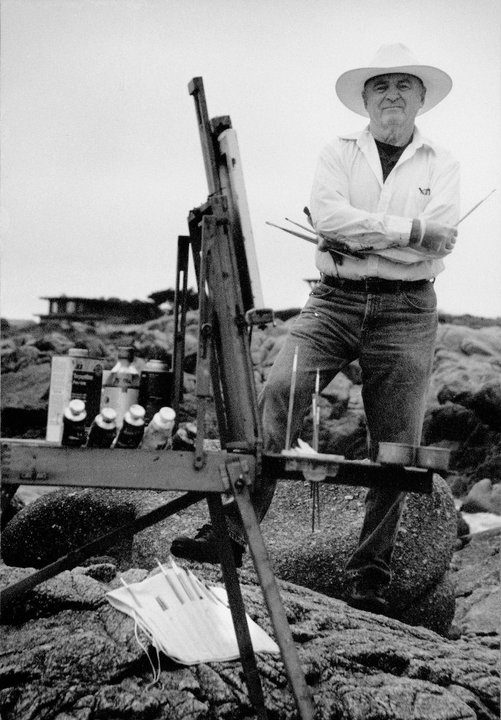
- The artist hunkers down to prioritize presence over output.
- One rejects clinical precision for observational honesty.
- Authenticity is found only in the field under shifting light.
- Style is the residue of consistent practice.
Mind Over Matter
Plein air painting begins with an understanding of what it means to work on location. It is not simply expedient rendering—it is an act of deliberate focus. Think of the difference between opening a can of food and preparing a meal from the raw ingredients; only one involves the attention and care that transforms basic components into something substantial. At its best, plein air painting is this same commitment: selecting the essential elements of a scene and translating them with a genuine presence that sustains both the maker and the viewer.
Painting the Feeling, Not the Object
A landscape can be striking, yet copying it with clinical precision often fails to capture the experience of being there. Years of rendering objects with technical accuracy can result in work that feels cold. In those cases, the response felt while viewing the scene is lost on its journey to the canvas.
This is not about “interpretation,” which implies a detachment from the subject. Rather, it is about using the landscape’s inherent structure as a foundation and, through color and brushwork, overlaying it with an honest response. The goal is to paint realistically the beauty experienced—not the object itself, but the impact it has on the observer.
Against Sentimentality
Sentimentality must be avoided. It is a technical and mental discipline that separates an honest response from manufactured nostalgia. True impact emerges from direct observation and presence, never from false emotion or romanticized memory.
Authenticity in Practice
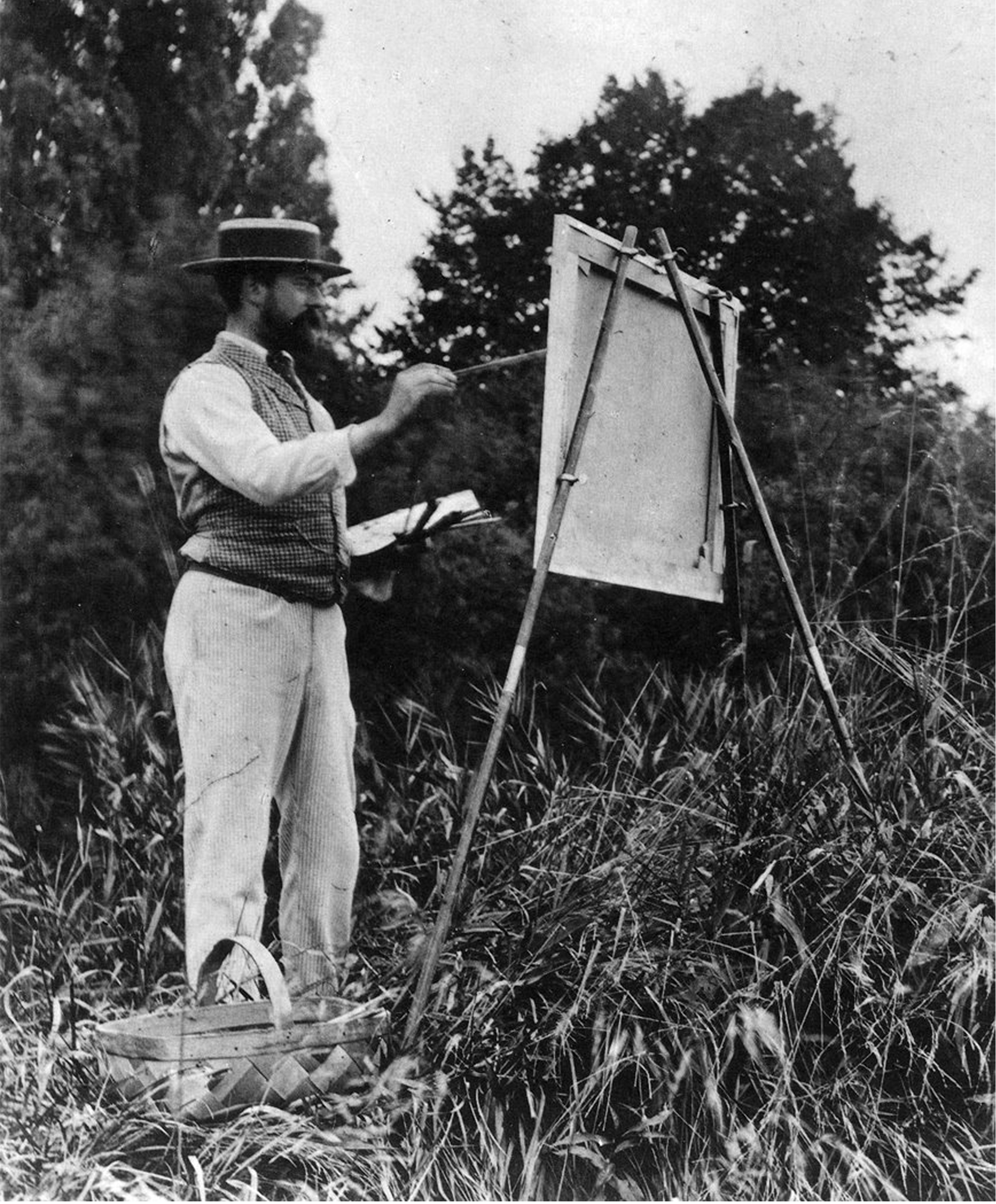
Plein air painting requires being in the field. The work must be executed and substantially completed outdoors. A painting “inspired” by the landscape but finished in a studio is a different pursuit. This is not about elitism; it is a recognition that the outdoor environment shapes the work in ways that cannot be replicated from photographs. The distinction matters because plein air is the marriage of observation and creation in real time, under shifting light and actual conditions.
The Emergence of Style
If style emerges, let it come naturally. There is no need for artificial mannerisms or a struggle for distinctiveness. Style is simply the residue of consistent practice and an honest response to the subject. It is the technical result of composition, color, and brushwork that allows the viewer to see the painter’s truth.
The Foundation of Beauty
Beauty is the human component of any scene. While a landscape may be objectively balanced, the beauty one paints exists in the eye of the beholder. This inward experience is what the artist labors to depict and preserve. In realism, one can paint the object, but one must also paint how one feels about it, ensuring that response is accessible to the viewer.
The Challenge
The next time a landscape arrests the attention, ask: is the artist painting what is seen, or what is felt? Can one capture not just the form of the trees, but the way light through them makes one pause? Not just the color of the sky, but the weight of the silence beneath it?
Go outside. Set up the easel. Work through the changing light and the uncertainty of the process. Stay with the scene long enough to move past mere copying. Paint to create a permanent record of a moment that moved the spirit. This is the work. This is the practice. This is how ordinary beauty becomes art.
Plein air painting is like architecting a poem: it requires the heavy, practical tools of a builder to create a sturdy foundation, but the final structure exists only to house a fleeting moment of light and silence.