FREE Tips for Plein Air The field is an unforgiving studio. To succeed, one must respect the shifting light, the physical demands of the environment, and the weight
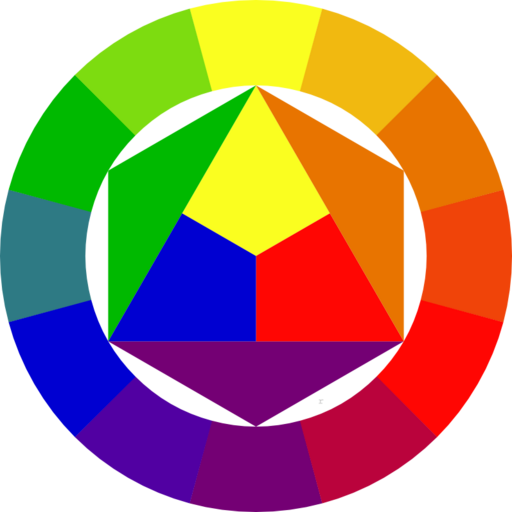
The Three Architectures of Light: Beyond the Primitive Wheel The artist often stands before the easel, mixing with hope but landing in mud. The palette becomes a graveyard
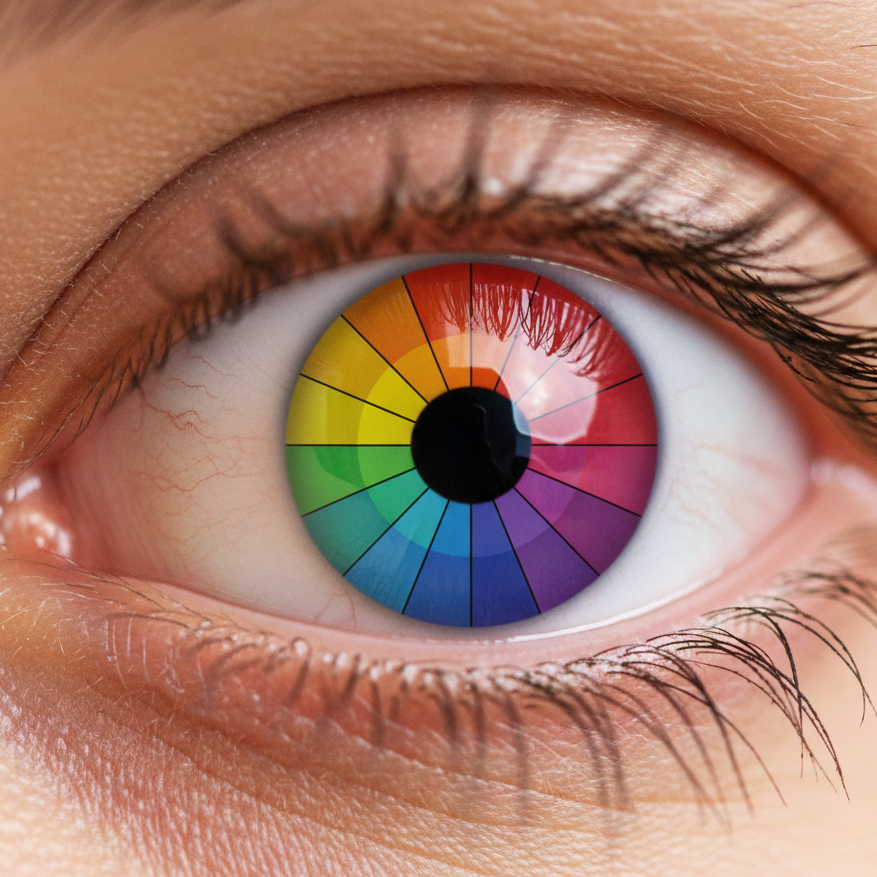
To find true complementary colors using retinal persistence, artists can perform a simple optical experiment that reveals the specific colors human eyes perceive as opposites, rather than relying
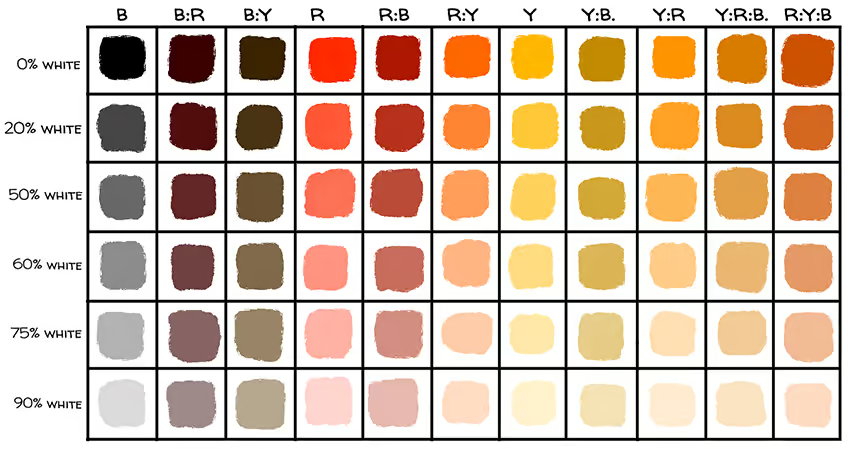
To truly understand how a limited palette works, you should build your own color chart. This “color lab” exercise trains the eye to see how black, red, yellow,
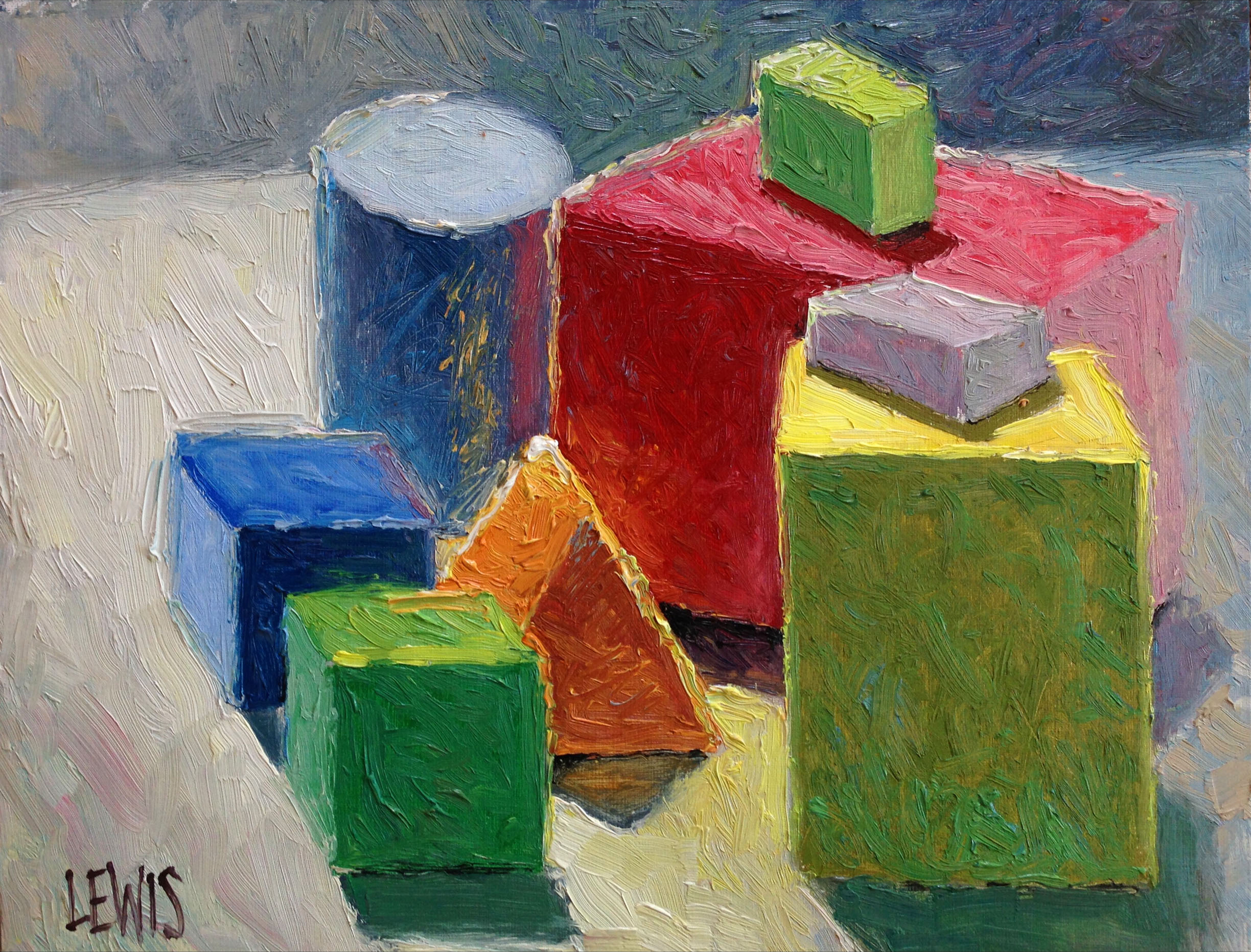
The color block study is a foundational exercise designed to simplify the visual field by using geometric shapes to isolate color relationships from complex details like anatomy or
In this wacky video, the artist illustrates a fundamental principle of plein air painting in this video: “A canvas is a sail” [00:36]. AND, a large canvas is
The landscape is beautiful and inspiring and you want to capture that beauty. You see the landscape before you, you see the beauty, you set up your easel,
Sign up for the How to Paint Plein Air website newsletter now and download the FREE ebook entitled “Plein Air Painting Tools & Supplies” written by me, Robert Lewis. Essential
The Legacy of “Visual Music” Henry Hensche was a pivotal American Impressionist and a teacher who spent over 50 years at the Cape School of Art demonstrating how