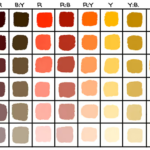
Color Lab: Creating a Zorn Palette Grid
To truly understand how a limited palette works, you should build your own color chart. This...
Read More
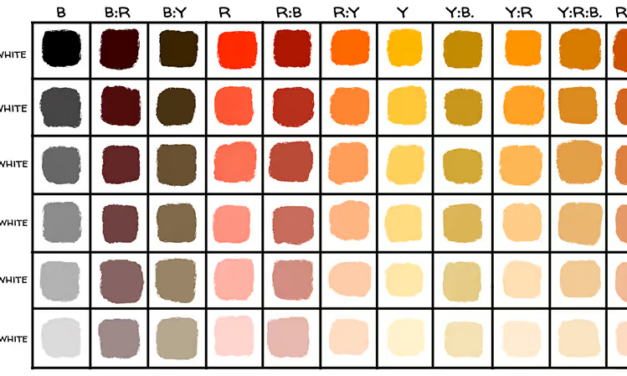
To truly understand how a limited palette works, you should build your own color chart. This...
Read MoreThe color block study is a foundational exercise designed to simplify the visual field by using geometric shapes to isolate color relationships from complex details like anatomy or texture. This method emphasizes observational honesty, requiring the artist to record “color spots” as they are actually perceived under specific atmospheric conditions rather than relying on mental assumptions about an object’s color. By practicing with flat shapes of color on simple cardboard blocks, one learns how light models form and how colors shift in relation to their neighbors. Ultimately, these studies serve as a “color lab,” training the eye to recognize the true color of light across various environments, much like a navigator uses a compass to find North.
Read MoreThe artist hunkers down to prioritize presence over output. One rejects clinical precision for observational honesty. Authenticity is found only in the field under shifting light. Style is the residue of consistent practice....
Read MoreIn this wacky video, the artist illustrates a fundamental principle of plein air painting in this...
Read More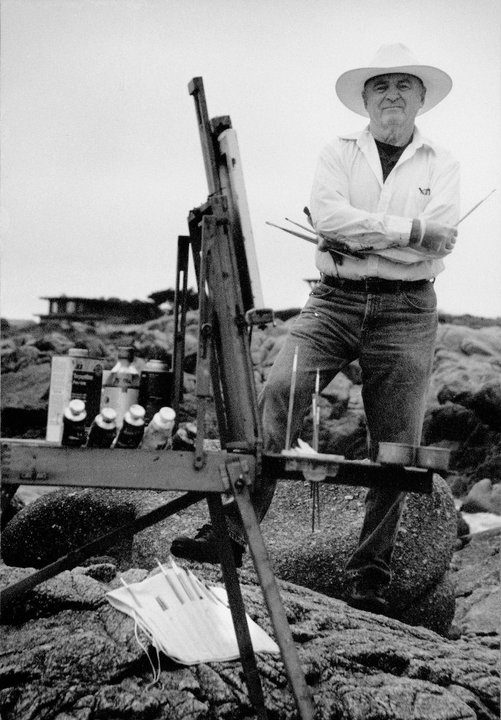
The website howtopaintpleinair.com, curated by artist Robert Lewis, serves as a comprehensive...
Read More